The Ultimate Setup Guide for Your Backbeat Fit Wireless
Introduction
The Backbeat Fit Wireless has become a common choice for people who prioritize stability, comfort, and durability during workouts. Designed with sport-centric users in mind, it blends a lightweight form factor with sweat resistance and simple controls, making it a practical companion for runners, gym-goers, commuters, and anyone who needs a secure, no-fuss listening solution. This guide walks through setup, optimization, daily use, and buying considerations so prospective owners and new users can get the most from their Backbeat Fit Wireless.
Quick product overview
At its core, the Backbeat Fit Wireless is a neckband-style, sport-focused headset offering a snug fit and intuitive controls. It targets buyers who value fit stability over isolation and who need something that survives frequent exposure to sweat and movement. While specific model variations exist across generations, common strengths include long-wearing comfort, simple Bluetooth pairing, and dependable physical controls that work well when fingers are damp or gloved.
Detailed product review and analysis
Design and comfort
The Backbeat Fit Wireless emphasizes a secure ergonomic shape rather than heavy padding or large earcups. The neckband sits lightly on the nape, and the ear tips and fins are engineered to hold the buds in place during dynamic motion. This approach favors breathability and minimal heat build-up—important for prolonged activity. The materials tend to be soft-touch, with reinforced wiring and strain relief where cables meet the housings.
Real-world takeaway: users who run, cycle, or do high-intensity interval training will appreciate the unobtrusive presence and the ability to wear the headset for long sessions without pressure on the ear canal or surrounding tissue.
Fit and stability
Fit is a decisive factor for sport earphones. The Backbeat Fit Wireless usually ships with multiple ear tip sizes and flexible wings or fins. Achieving the right combination—often a slightly larger tip for sport use—provides both stability and improved low-frequency response. The design trades deep isolation for awareness of ambient sound, which can be safer for outdoor activities like road running.
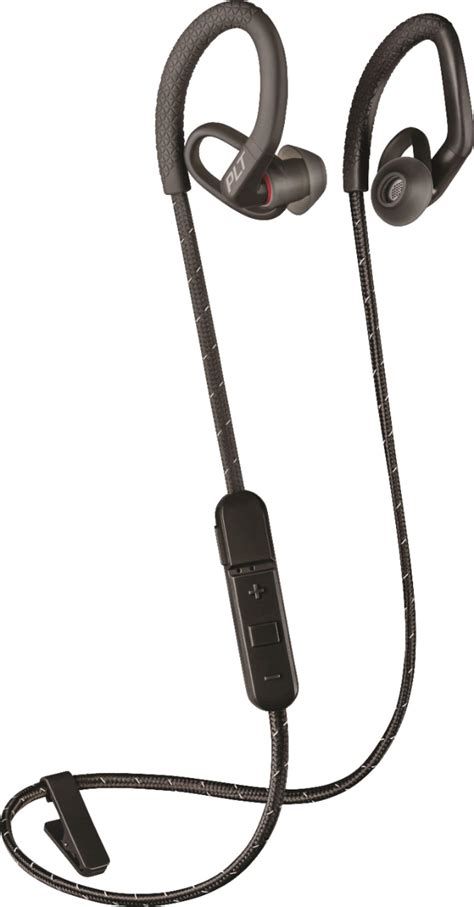
Practical tip: experiment with different tip and fin combinations before judging comfort. A small change often eliminates slipping during sprints or jumping movements.
Sound quality
In most sport-focused neckband designs, sound tuning favors clarity and a forward midrange to keep voice and tempos clear during workouts, with boosted lows for impact. The Backbeat Fit Wireless typically follows this trend—engaging bass for upbeat music, clear mids for podcasts and coaching cues, and restrained highs to avoid fatigue at higher volumes.
Real-world use case: for interval training playlists, the emphasized rhythm section can make music feel more motivating; for long runs with spoken navigation or voice coaching, the present midrange ensures instructions remain intelligible.
Battery life and charging
Battery life is often presented as a key metric. For everyday fitness use, the Backbeat Fit Wireless commonly offers multiple hours of playtime suitable for daily workouts and many multi-hour activities. Charging is typically via micro-USB or USB-C depending on the generation, and short charging bursts can restore several hours of use—handy when one forgets an overnight charge.
Practical note: battery performance depends on volume, codec use, and environmental conditions. Carrying a short charging cable in a gym bag reduces the chance of an interrupted session.
Durability and water resistance
Sport earphones must handle sweat and occasional rain. The Backbeat Fit Wireless generally features an IP-rating or splash-resistant construction to withstand moisture and routine cleaning. The flexible materials and reinforced joints protect against daily wear, but like all consumer electronics, the headset requires basic care—avoid submerging it and rinse off salt after coastal runs if applicable.
Controls, connectivity, and call quality
Physical buttons on the neckband or inline remote provide reliable tactile feedback during exercise—especially useful when touchscreens and gestures are unreliable with wet hands. Bluetooth connectivity is straightforward, supporting pairing to phones, tablets, and wearables. Microphone performance is functional for casual calls and voice assistants; however, wind and background noise during outdoor use can reduce intelligibility.
Tip: position the microphone away from direct wind and consider pausing during calls when in gusty conditions to preserve clarity.
Discover deals on Audio & Headphones — updated daily.
See Deals →Companion app and firmware
Some iterations provide a companion app for firmware updates or EQ adjustment. Keeping firmware current can fix connectivity quirks and improve battery management. Where an app is not provided, standard Bluetooth settings and in-line controls remain the primary method of operation.
Setup: step-by-step
1. Unboxing and inspection
Inspect the Box contents: the headset, ear tips/fins of multiple sizes, charging cable, and any quick-start guides. Ensure there is no visible damage and that fittings are present for a tailored assembly.
2. Initial charge
Charge the unit fully before first use. A complete charge conditions the battery and reduces the risk of unexpected cutouts during updates or long workouts.
3. Pairing with devices
Enter pairing mode as described in the quick-start guide—typically by holding the power or pairing button until an LED flashes. On a smartphone, enable Bluetooth, scan, and select the Backbeat Fit Wireless from the available devices. Accept pairing prompts and grant microphone permissions if required.
4. Fine-tune fit
Try different ear tip sizes and wing positions. For sport use, a slightly larger tip that forms a secure seal will stabilize the earbud and improve bass response. Use the cable management or magnets (if included) to secure the two earbuds when not in active use.
5. Adjust audio settings
Set playback volume to comfortable listening levels and check for distortion. If the companion app offers an EQ, begin with a neutral profile and tweak bass or treble to taste. For outdoor use, favor enhanced mids to keep voice prompts and traffic cues audible.
6. Test calls and voice assistant
Make a short call to confirm microphone placement and test invocation of voice assistants. Adjust the mic orientation or the way the neckband rests if callers report muffling.
7. Firmware and app updates
Check for firmware updates through the companion app or manufacturer instructions. Apply updates over a stable connection to prevent interruptions. Firmware updates can improve pairing stability and battery efficiency.
Pros & Cons
- Pros:
- Secure, sport-oriented fit that resists slipping during vigorous movement
- Simple, tactile controls that are reliable when hands are wet or gloved
- Lightweight neckband design reduces ear fatigue for long sessions
- Durable materials and sweat resistance suited to active lifestyles
- Consistent mid-forward tuning makes voice content clear
- Cons:
- Less passive noise isolation compared with sealed in-ear or over-ear models
- Microphone performance can degrade in windy environments
- Battery life, while practical, may not match larger over-ear or true wireless charging cases
- Limited audio customization on models without a companion app
Comparison table: Backbeat Fit Wireless vs common alternatives
| Feature | Backbeat Fit Wireless | True wireless sport earbuds | Over-ear sport headphones |
|---|---|---|---|
| Fit & stability | Neckband with fins—very stable for movement | In-ear with secure tips—good but can loosen with sweat | Stable but bulkier; not ideal for high-sweat running |
| Awareness/safety | Moderate awareness—keeps ambient sound for safety outside | Often isolating—may reduce awareness unless transparent mode present | High isolation—least safe outdoors without features |
| Battery convenience | Long single-charge life; no case to manage | Shorter per-bud life but charging case extends total | Longest playtime per charge, larger batteries |
| Controls | Physical buttons—reliable while moving | Touch gestures—can be finicky with sweat | Large buttons—easy to use but less portable |
| Durability | Engineered for sweat and motion | Varies—some models excel, others less so | Sturdy but heavier; water resistance varies |
| Sound profile | Forward mids, punchy bass for motivation | Wide range—can be studio-like or bass-heavy | Immersive with deep bass and expansive soundstage |
Buying guide: what to consider before choosing a Backbeat Fit Wireless
1. Define the primary use case
Buyers should first identify how they will use the headset. Runners and outdoor cyclists often value ambient awareness and a secure fit, making a neckband-style like the Backbeat Fit Wireless attractive. Gym users who want isolation for cadence and rhythm might prefer sealed in-ear options. Commuters may prioritize noise cancellation and battery life for long commutes.
2. Comfort and fit options
Look for multiple ear tip sizes and flexible wings. Comfort is subjective; a model that allows quick tip swaps and adjustment is more versatile. Check return policies so a different tip set can be tried without penalty.
3. Durability and water resistance
Check IP ratings and read reviews about longevity. For frequent outdoor use, salt, sweat, and temperature swings can impact electronics; materials and build quality matter.
4. Battery life and charging convenience
Consider typical session lengths. If workouts rarely exceed an hour, a moderate single-charge life is fine. Those who travel or hike long routes may prefer models with extended battery life or quick-charge capabilities.
Find top-rated Audio & Headphones products at great prices.
See Deals →5. Controls and ease of use
Physical buttons are often superior for sports because touch controls can misfire when wet. Look for clear button layout and durable switches.
6. Sound and microphone quality
Decide whether the priority is music fidelity or call clarity. If calls are frequent during workouts, place higher value on microphone performance and wind-attenuating design.
7. Firmware and app support
Ongoing firmware updates can keep a product performing well over several years. An accompanying app for EQ and updates is a plus but not essential if basic controls satisfy the buyer's needs.
8. Budget and alternatives
Balance features with price. Neckband sport models typically sit between low-cost generic sport buds and premium true wireless options. For those on a tight budget, look for older model revisions with similar fit; those willing to spend more may prefer premium true wireless earbuds with advanced sensors and ANC for commuting.
9. Warranty and customer service
Check warranty length and the manufacturer’s support reputation. A reliable warranty provides confidence for active users who expose devices to sweat and environmental stress.
Troubleshooting and maintenance
Keeping the Backbeat Fit Wireless in service requires a few simple practices.
Common issues and fixes
- Intermittent audio dropouts: Move closer to the source to rule out range issues. Ensure no heavy RF interference (large crowds of devices, gym equipment) and check for firmware updates.
- Poor fit or slipping: Swap ear tip size or reposition the fins. Use optional cable clips or the magnetic clasp (if included) to secure slack.
- Quick battery drain: Fully reset the device, update firmware, and close other active Bluetooth profiles on the paired device. Reduce playback volume or disable power-draining features if available.
- Microphone unreadable: Ensure the mic opening is clear of debris, avoid direct wind exposure, and speak toward the microphone during calls.
Cleaning and care
Wipe the headset with a soft, slightly damp cloth after intense sessions. Avoid submerging components. Remove ear tips occasionally and rinse them with water, letting them air dry before reattaching. Avoid strong solvents that damage coatings or seals.
Storage tips
Store in a cool, dry place and avoid crumpling the neckband. Coil cables gently and keep chargers and spare tips together in a small pouch.
Accessories and useful add-ons
- Extra ear tips and fins—different materials or sizes for seasonal changes or alternate activities
- Lightweight protective pouch to reduce stress from keys or other gear in a gym bag
- Short charging cable to carry for quick top-ups
Real-world scenarios: who benefits most?
Runners and outdoor fitness enthusiasts will find the Backbeat Fit Wireless valuable for situations where situational awareness matters. The minimalistic, secure design suits high-movement sports and group fitness classes. Those who prefer immersive listening on public transit or seek maximum passive isolation might opt for other categories. Casual listeners who want a dependable everyday sports headset with easy controls and dependable fit will also appreciate the balance this design offers.
Conclusion
The Backbeat Fit Wireless is a pragmatic choice for active users who need a secure, comfortable headset that performs reliably during workouts. It favors practicality over audiophile-level refinement and is tailored to people who care about fit, tactile controls, and water-resistant durability. With proper setup—selecting the right tips, updating firmware, and adjusting EQ—users can enjoy a motivating listening experience that supports running, gym sessions, and hands-free calls. For buyers focused on safety, comfort, and a no-nonsense sport companion, the Backbeat Fit Wireless deserves consideration as a straightforward, well-rounded option.