Wired vs Wireless Headphones: Which Should You Buy?
When I bought my latest pair of headphones, I thought I already knew which side I was on. I assumed wireless was the obvious modern choice and that wired headphones were mostly for people who cared deeply about studio gear or wanted to save money. After using both types regularly for several months—at my desk, during travel, on walks, and late at night when I just wanted to disappear into music—I ended up with a much more nuanced opinion. The short version is that neither is automatically better. The right choice depends on how you actually listen, where you listen, and what annoys you most in daily use.
Over the past several months, I’ve switched back and forth between wired and wireless headphones almost every day. I used wireless headphones for commuting, calls, workouts, and casual listening around the house. I kept wired headphones plugged into my laptop and audio interface for work, longer listening sessions, and whenever I wanted the most consistent sound with the least friction. What I found was that convenience and reliability rarely live in exactly the same place. Wireless headphones made life easier in some situations, but wired headphones often gave me a calmer, more dependable experience.
In this article, I’m breaking down the real differences I noticed after extended use: sound quality, latency, comfort, battery life, durability, portability, and value. I’ll also explain who I think should buy wired headphones, who should go wireless, and which trade-offs are actually worth paying attention to before you spend your money.
My Experience Using Wired and Wireless Headphones Side by Side
I didn’t test these in a lab, and honestly, that’s probably helpful for most buyers. I tested them in the messy, normal way most people actually live. I wore wireless headphones while cooking, cleaning, working from coffee shops, taking calls, and walking around the neighborhood. I used wired headphones while editing audio, watching videos on my laptop, listening at my desk for hours, and plugging into devices where I didn’t want to think about charging one more thing.
After testing for months, the biggest difference I noticed wasn’t just sound. It was friction. Wireless headphones remove one kind of friction—the cable—but introduce other kinds: battery anxiety, pairing hiccups, firmware quirks, and occasional audio delays. Wired headphones do the opposite. They add physical tethering, which can be annoying, but they remove a lot of digital uncertainty. I was surprised by how much I valued that predictability over time.

One thing that bothered me with wireless headphones was how often I had to manage them. Sometimes they connected instantly and felt almost magical. Other times they latched onto the wrong device, refused to switch cleanly between my phone and laptop, or gave me that low-battery warning at exactly the wrong moment. Wired headphones never had those issues. I plugged them in, and they worked. That sounds simple, but after months of use, I realized how much I appreciated that simplicity.
Sound Quality: Wired Still Feels More Consistent
Let me be clear: modern wireless headphones can sound very good. In casual listening, especially while commuting or working in a noisy environment, I often enjoyed them just as much as wired models. The difference showed up more when I was listening carefully in a quiet room. With wired headphones, I noticed more consistency in detail, especially in vocals, instrument separation, and bass texture. The sound felt more direct and less processed.
In my experience, wired headphones tend to reward focused listening. Acoustic tracks, jazz recordings, layered electronic music, and well-produced vocals all sounded a bit more natural and stable through a wired connection. Wireless headphones sometimes sounded slightly compressed or softened in a way that was hard to describe until I switched back and forth repeatedly. It wasn’t always dramatic, but it was there.
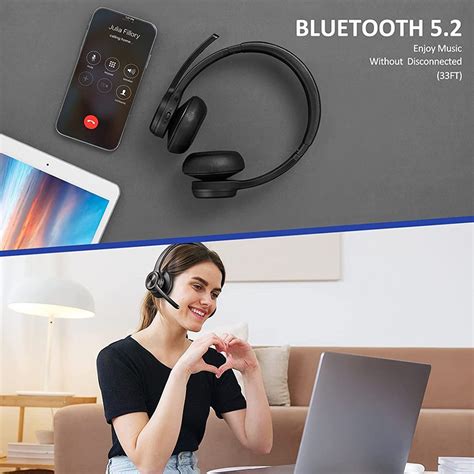
What I found was that wireless performance also depended heavily on the source device, codec support, and the quality of the headphones themselves. Some days everything sounded excellent. Other times I noticed little shifts in volume matching, connection behavior, or tonal balance depending on the app or device I was using. Wired headphones felt less variable. Once they were plugged in, I knew what I was getting.
If you mostly stream music casually, listen on the move, or care more about convenience than small differences in fidelity, wireless may sound perfectly good to you. But if you’re the kind of person who sits down and really listens, I think wired still has an edge that becomes more noticeable the longer you use it.
Convenience: Wireless Wins, But Not Without Caveats
This is where wireless headphones absolutely earn their popularity. I loved being able to stand up from my desk with my headphones still on, walk into another room, and keep listening. I appreciated not having a cable catch on chair arms, jacket zippers, backpack straps, or the edge of a desk. For phone calls and everyday movement, wireless headphones felt freeing in a way wired headphones simply can’t match.
Discover deals on Electronics — updated daily.
Shop Amazon →I noticed that I reached for wireless headphones automatically when I was leaving the house. They were easier for quick use, easier to stash, and far more convenient when I was multitasking. That convenience matters more than audiophiles sometimes admit. If something is easier to use, you’ll probably use it more.
That said, convenience has layers. Wireless is convenient when it works smoothly. When it doesn’t, the experience becomes surprisingly irritating. I dealt with charging schedules, battery drain over time, occasional Bluetooth dropouts in crowded areas, and moments where pairing to a new device felt more annoying than it should have. One thing I appreciated about wired headphones was that they didn’t ask anything from me. No app, no firmware update, no battery percentage, no sleep mode weirdness.
So yes, wireless wins on freedom of movement. But wired wins on mental simplicity.
Battery Life and Long-Term Ownership
This was one area where my opinion changed the most after extended use. At first, charging wireless headphones didn’t seem like a big deal. I already charge my phone, watch, and other devices, so what’s one more cable? After a few months, though, I started to feel the burden. It wasn’t just charging—it was remembering to charge them before a flight, before a long work session, or before a full day away from home.
I’ve been using wireless headphones long enough to know that battery performance slowly becomes part of the ownership story. Even if battery life starts out excellent, rechargeable devices age. That means the convenience you pay for on day one may not feel quite as impressive a couple of years later. Wired headphones don’t really have that problem. As long as the cable and drivers hold up, they can remain useful for a very long time.
What I found was that wired headphones gave me more confidence as a long-term purchase. Wireless headphones often feel more feature-rich, but wired headphones feel more durable in principle. I was surprised by how much that mattered once the novelty of cable-free listening wore off.
Latency, Calls, and Everyday Performance
If you watch videos, game, edit audio, or hop on a lot of calls, this section matters. Wired headphones were almost always more dependable for timing-sensitive tasks. Lip-sync felt perfect, audio editing was easier, and I never had to think about lag. Wireless headphones were usually fine for casual video watching, but I noticed occasional latency in games and certain apps. It wasn’t constant, but it was enough to remind me that wired still has a practical advantage.
For calls, wireless headphones were a mixed bag. I liked the mobility during meetings, and being able to pace around while talking was genuinely useful. But microphone quality varied, and Bluetooth call handling sometimes felt less stable than I wanted. I noticed that wired headphones with a good inline mic or dedicated boom mic often sounded clearer and more natural, especially in noisier environments.
If your headphones are mainly for work, content creation, editing, or long desktop sessions, wired makes a lot of sense. If they’re for casual calls and mobility, wireless is hard to beat.
Comfort and Portability
Comfort depended less on whether the headphones were wired or wireless and more on the model, fit, clamp force, ear cup material, and weight. Still, I did notice some patterns. Wireless headphones often felt heavier because of the battery and built-in electronics. During shorter sessions, that didn’t matter. After a few hours, I could sometimes feel the extra weight, especially around the top of my head.
Wired headphones, particularly simpler over-ear designs, sometimes felt lighter and less fatiguing during long listening sessions. On the other hand, the cable could be annoying if I shifted around a lot or if it brushed against clothing and transferred noise upward.
Shop the latest Electronics picks on Amazon.
Browse Now →For portability, wireless usually felt cleaner. Folding designs, no cable tangles, and quick grab-and-go use made them more travel-friendly for me. But wired headphones packed a strange kind of confidence. I could throw them in a bag and not worry about whether they were powered off correctly or whether they’d be dead when I reached for them.
Pros and Cons of Wired Headphones
Pros
- More consistent sound quality: In my experience, wired headphones gave me cleaner, more dependable audio, especially during focused listening.
- No battery required: I never had to worry about charging, battery degradation, or sudden power loss.
- Lower latency: They worked better for gaming, video editing, and watching content without sync issues.
- Simple and reliable: I plugged them in and they worked immediately, every time.
- Often better long-term value: With fewer electronic parts to age, wired headphones can remain useful for years.
Cons
- Cables get in the way: I caught the cord on desks, bags, and chair arms more times than I’d like to admit.
- Less convenient for movement: Walking around the house or commuting felt noticeably less flexible.
- Phone compatibility can be awkward: Many modern phones need adapters or don’t support a headphone jack at all.
- Portability can feel messier: Even good cables tangle, and cable management is never fun.
Pros and Cons of Wireless Headphones
Pros
- Excellent everyday convenience: I loved the freedom to move without dealing with a cable.
- Great for commuting and multitasking: Wireless fit naturally into my daily routine outside the house.
- Modern features: Bluetooth multipoint, active noise cancellation, touch controls, and app support can be genuinely useful.
- Cleaner portability: They were easier to grab and use quickly when I was on the go.
Cons
- Battery management is unavoidable: I had to think about charging more often than I wanted.
- Potential pairing issues: Device switching and Bluetooth behavior weren’t always seamless.
- Possible latency: I noticed slight delays in some videos, games, and editing tasks.
- Long-term aging: Rechargeable batteries and extra electronics can shorten the useful lifespan.
- Sound can be less consistent: Wireless audio was good, but not always as steady or natural as wired.
Wired vs Wireless Headphones Comparison
| Category | Wired Headphones | Wireless Headphones |
|---|---|---|
| Sound Quality | Usually more consistent and detailed in my testing | Often very good, but depends more on codec and connection quality |
| Convenience | Simple to use, but physically restrictive | Much more convenient for movement and daily multitasking |
| Battery | No charging needed | Requires regular charging and battery maintenance |
| Latency | Minimal to none | Usually acceptable, but can vary by use case |
| Longevity | Often better over the long term | Battery aging can reduce lifespan |
| Travel Use | Reliable, but cable can be inconvenient | More portable and flexible on the move |
| Best For | Desk use, focused listening, gaming, editing | Commuting, calls, casual listening, workouts, everyday use |
Buying Guide: How I’d Choose Between Them Today
If I were buying again today, I wouldn’t ask, “Which is better?” I’d ask, “How am I actually going to use these most days?” That question changes everything.
If You Should Buy Wired Headphones
I’d recommend wired headphones if you mostly listen at a desk, care about sound consistency, work with audio or video, or simply want fewer things to charge. In my experience, wired headphones feel especially satisfying when you value reliability more than novelty. I noticed that when I was doing serious listening, writing, editing, or working for long stretches, wired headphones almost always felt like the better tool.
You should also lean wired if you tend to keep electronics for a long time. A good wired pair can age gracefully, and I think that matters more than many buyers realize.
If You Should Buy Wireless Headphones
I’d recommend wireless headphones if your listening happens in motion. If you commute, take calls throughout the day, walk a lot, or simply hate dealing with cables, wireless headphones are probably the better fit. What I found was that wireless headphones integrated more naturally into daily life when I wasn’t sitting still. They encouraged me to use them more often because they were easy.
If your top priorities are convenience, portability, and modern features like noise cancellation, wireless is usually the more satisfying purchase.
Features I’d Pay Attention to Before Buying
- Comfort over spec sheets: After testing for months, I’m convinced comfort matters more than flashy feature lists. Weight, clamp force, and ear pad material make a huge difference.
- Your main device: I’d check whether your phone, laptop, or tablet supports your preferred connection method without adapters or compromises.
- Use case: Gaming and editing push me toward wired. Travel and calls push me toward wireless.
- Battery expectations: If charging one more device sounds annoying now, it will probably feel worse later.
- Durability: I’d look closely at cable quality for wired models and hinge/battery reputation for wireless ones.
- Noise environment: Wireless headphones often offer better feature sets for noisy places, especially if noise cancellation matters to you.
My Honest Verdict After Months of Use
After living with both, I don’t think wired headphones are outdated, and I don’t think wireless headphones are automatically the smarter buy. I’ve been using this kind of setup long enough to realize they solve different problems. Wired headphones are still my preference when I care most about dependable sound, zero latency, and long-term practicality. Wireless headphones are what I reach for when I want freedom, portability, and convenience with the least physical hassle.
If I could only keep one pair for everything, I’d probably choose wireless because they fit more parts of everyday life. But if you asked me which experience felt more consistently satisfying over several months, I’d say wired surprised me more. They were less flashy, less feature-packed, and less trendy—but they were also less annoying. And that ended up mattering a lot.
So which should you buy? If you want the easiest day-to-day experience and you’re comfortable managing battery life, buy wireless headphones. If you want reliability, better consistency, and fewer compromises over time, buy wired headphones. In my experience, the best choice isn’t the one with the most features—it’s the one whose trade-offs bother you the least.